.png?width=1958&height=588&name=TerraBella%20Summit-Horizontal%20(4).png)
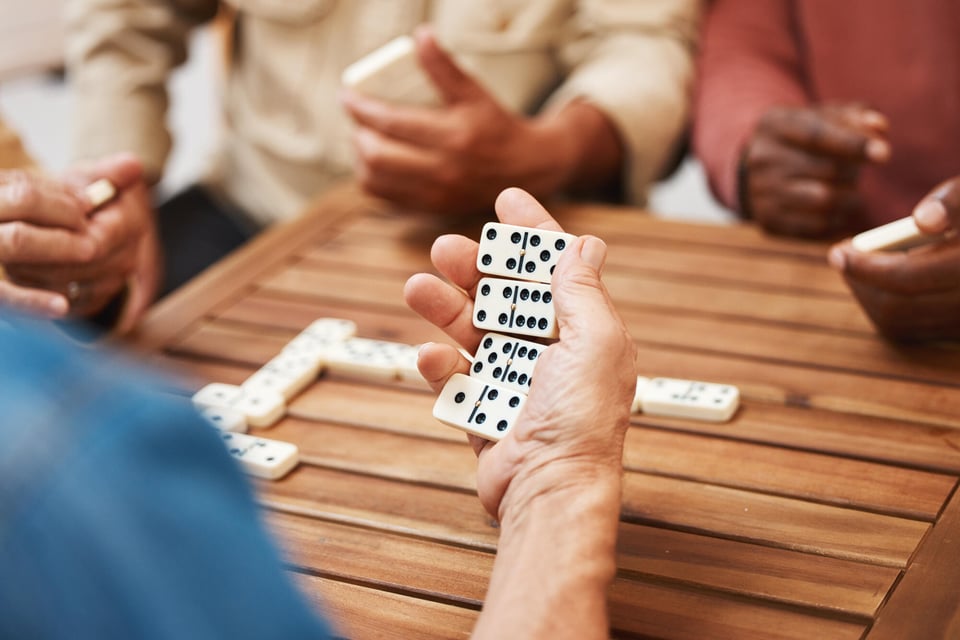
The best brain games for seniors are simple activities that feel enjoyable while gently challenging attention, recall, and curiosity. Word puzzles, number games, creative challenges, and interactive group games often work best because they invite focus without pressure.
According to the World Health Organization, one in six people will be 60 or older worldwide.
Brain games support the mind in ways that feel natural and rewarding as we get older. Moments of play can turn into moments of discovery, laughter, and confidence in Greenville, SC.
Many older adults find that games help them stay mentally active while also feeling relaxed and connected. Learning does not stop with age, and playful mental challenges keep curiosity alive.
What Are the Best Brain Games for Seniors?
Many people search for brain games that feel fun instead of frustrating in Greenville. Games with clear rules and flexible pacing often bring the most enjoyment. The following encourages thinking while still allowing time to reflect:
- Crossword puzzles
- Word searches
- Trivia games
Card games and board games also offer strong benefits. Games like rummy, dominoes, and checkers ask players to plan ahead and notice patterns.
Social games add another layer of motivation because conversation and laughter naturally boost focus. Group play supports cognitive engagement while also strengthening social bonds.
Creative games deserve attention as well. Drawing prompts, storytelling games, and music-based challenges invite imagination and emotional expression.
Creative play supports senior learning by allowing adults to explore ideas without fear of mistakes. Joy often comes from the freedom to experiment.
Digital games can also be helpful when chosen carefully. Simple tablet games with large text and clear instructions provide variety and convenience. Many seniors enjoy switching between traditional and digital formats to keep routines fresh.
How Do Brain Games Support Memory and Focus?
Memory often improves with gentle, repeated use. Brain games encourage recall in ways that feel natural and non-threatening. The following supports memory activities without pressure to perform perfectly:
- Matching games
- Sequencing tasks
- Word association challenges
Focus grows when the mind feels engaged rather than overwhelmed. Games that allow short play sessions help maintain attention while preventing fatigue. Puzzle games, pattern recognition tasks, and logic challenges invite players to stay present and alert.
Emotional comfort also plays a role. Stress can make concentration harder, while relaxed enjoyment supports aging brain health.
Games that allow players to pause, laugh, and try again create a safe mental environment. Confidence grows when success feels achievable.
Routine matters as well, so regular game time becomes a mental habit that supports long-term clarity. Even a few minutes a day can help the brain stay active and responsive. Variety within routines keeps interest alive and prevents boredom.
Why Is Lifelong Learning Important for Seniors?
Curiosity does not fade with age. Learning new things keeps the brain flexible and engaged. Brain games introduce fresh challenges that encourage exploration and adaptation.
Lifelong learning supports emotional well-being as much as mental strength. Trying new games or mastering unfamiliar rules builds confidence and purpose. Many seniors enjoy the feeling of progress that comes from learning something new.
Group learning adds another benefit. Shared games spark conversation and connection.
Friendly competition and teamwork create meaningful interactions. Enrichment for seniors often comes from experiences that combine:
- Thinking
- Socializing
- Enjoyment
Learning also supports identity. Engaging with new ideas reinforces independence and self-expression. Brain games offer opportunities to explore interests, test skills, and celebrate creativity at any age.
How Can Brain Games Fit Into Everyday Senior Routines?
Brain games work best when they feel like a natural part of the day rather than a task. Morning puzzles pair well with coffee or tea and help ease the mind into focus. Short games in the afternoon can refresh attention between activities.
Evening games often support relaxation and reflection. Flexibility matters more than strict schedules. Some days may include longer play, while others only need a few minutes.
Consistency builds comfort, and enjoyment keeps motivation strong. When games fit naturally into daily rhythms, mental activity feels rewarding instead of forced.
Frequently Asked Questions
Are Brain Games Really Helpful for Seniors?
Brain games can be very helpful when chosen with care. Activities that feel enjoyable encourage consistent participation. Regular play supports:
- Focus
- Memory
- Emotional well-being
Enjoyment often matters more than difficulty.
How Often Should Seniors Play Brain Games?
Short, regular sessions tend to work best. Playing a few times a week or even daily helps build a routine. Balance matters, so rest and variety should be part of the schedule.
Can Brain Games Help With Memory Loss?
Games cannot cure memory loss, but they can support mental activity. Memory-focused challenges encourage recall and attention. Many seniors feel more confident when they practice memory in a relaxed setting.
Are Group Brain Games Better Than Solo Games?
Both options offer benefits. Group games add social interaction and shared enjoyment, while solo games allow quiet focus and flexibility. Many seniors enjoy mixing both styles.
What if a Senior Finds Games Frustrating?
Frustration usually means a game feels too complex or rushed. Choosing simpler options and allowing breaks can help. Games should feel supportive, not stressful.
Do Digital Brain Games Work as Well as Traditional Ones?
Digital games can be effective when they are easy to use. The following things matter:
- Large text
- Clear visuals
- Simple controls
Traditional games remain valuable and familiar for many players.
Can Brain Games Be Adapted for Different Ability Levels?
Brain games can easily be adjusted to match different comfort levels. The following things often help beginners feel confident:
- Simpler rules
- Slower pacing
- Familiar themes
More complex variations can be added over time. Adaptability allows everyone to participate and enjoy success at their own pace.
Brain Games for Seniors Should Be Fun and Inspiring
Brain games for seniors offer more than mental exercise. Moments of play bring joy, connection, and curiosity into daily life. Games that feel inviting encourage regular participation and lasting interest.
Through playful challenges and shared experiences, seniors continue to learn, laugh, and explore. At TerraBella Summit, we help our residents thrive by offering chef-prepared meals, a full social calendar, local excursions, guest speakers, workshops, housekeeping services, and so much more. If you are ready to get more out of your golden years, contact us.